
China Homestay Industry Report 2025: Why Differentiation Matters More in 2026
- See Qian

- 1 day ago
- 5 min read
China’s homestay market is recovering, but travellers are becoming more selective

China’s homestay market is moving back into growth, but the environment is far more demanding than before. The 2025 national homestay industry report shows a sector benefiting from wider travel recovery, while also facing rapid supply growth, lower pricing power and rising pressure to differentiate. This is no longer a market where attractive design alone is enough. Operators now need sharper positioning, stronger operations and clearer value for travellers who are comparing more carefully before they book.
Chinese travellers are no longer choosing accommodation only on basic practicality. They are increasingly looking for stays that balance value, convenience and local relevance. In other words, accommodation is becoming part of the travel experience itself.
China’s outbound and cross-border travel momentum remained strong
China’s cross-border travel recovery remained strong in 2025 and continued into the first quarter of 2026, providing a supportive backdrop for the wider travel and accommodation market.
Key signals include:
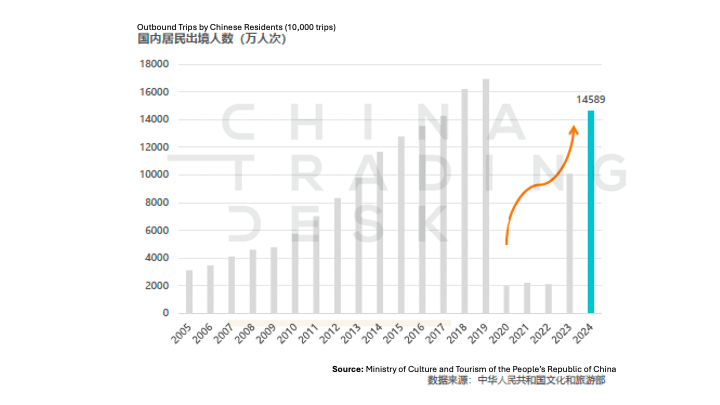
Mainland residents’ outbound trips reached 145.89 million in 2024, highlighting a strong rebound in outbound travel demand.
That momentum continued in 2025, when mainland residents’ outbound trips rose further to 167.92 million, including 161.66 million private outbound trips. This shows that outbound travel demand continued to strengthen in 2025.
In Q1 2026, China recorded 185 million cross-border trips, a further 13.5% increase year on year. Within that first-quarter total, mainland residents accounted for 91.662 million trips, up 14.2% from a year earlier.
Overall, the figures show that China’s outbound and cross-border travel market stayed on a clear growth path through 2025 and into early 2026, with mainland residents continuing to play a central role in that expansion.
China’s homestay market is moving into a more mature growth phase
Against that backdrop, China’s homestay sector is moving into a more mature stage of development. Growth is no longer being driven mainly by expansion alone. Instead, the market is becoming more quality-led, with stronger regulation, more selective traveller demand, upgraded supply and more professional operations shaping the next phase.
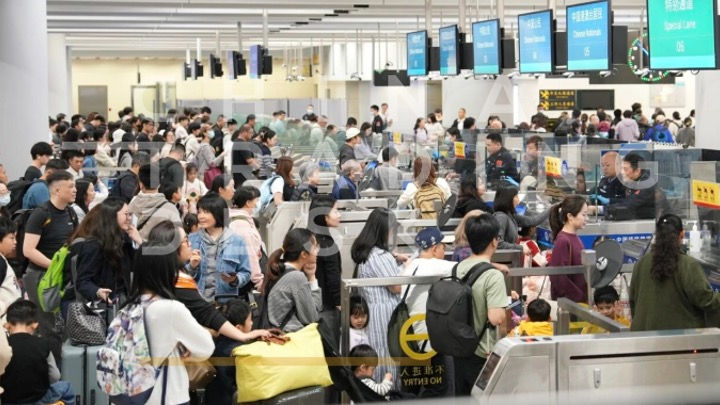
As competition increases, homestays are becoming more brand-focused, more experience-led and more dependent on clear differentiation.
Key market shifts include:
higher operating standards, as compliance, safety and service quality become more important
stronger demand for differentiated stays, especially homestays with local culture, distinctive design and clearer brand identity
rising interest in experience-led travel, with travellers seeking more personalised and immersive stays
greater reliance on digital operations, including smarter marketing, customer management and data-led decision-making
growing brand concentration, as stronger operators gain share while weaker, undifferentiated properties face more pressure
broader “homestay+” development, linking accommodation with rural tourism, culture, wellness, education and outdoor experiences
Overall, China’s homestay market is moving beyond simple recovery and into a more competitive, experience-driven and operationally mature phase, where long-term growth depends on quality, relevance and stronger brand positioning.
Pricing pressure is rising, value has become more important than ever
One of the strongest commercial signals in the report is the widening gap between occupancy and room rate. Demand may be recovering, but pricing power is under pressure. This makes traveller value sensitivity even more important.
Key signals:
Average occupancy (OCC) reached 36% by October 2025
That was up 3% year on year
Average daily rate fell to RMB 367 (about 30% reduced from RMB 489 in 2024)
The report describes the shift as moving towards high-turnover, low-margin profitability
Chinese travellers are still willing to spend, but they are becoming stricter about what justifies that spend. A stay needs to feel worth it. That can come from price, but also from convenience, authenticity, neighbourhood access, family suitability or memorable experience. Value is no longer only financial. It is experiential too.
Digital booking, content and conversion are becoming central

Source: 2025 National Homestay Industry Development Research Report
As the market becomes more competitive, digital capability is becoming a bigger part of performance. Operators are leaning more heavily on short video, livestreaming, VR previews, OTA advertising and private-traffic systems to improve conversion and retention.
Digital and conversion signals include:
OTA paid traffic can keep CPC around RMB 58
Special accommodation bundles can raise average spend by 20%
Short video and livestreaming are described as the main traffic battleground
Enterprise WeChat is being used to build private traffic and repeat customer systems
For brands, this means Chinese travellers increasingly assess accommodation through content and booking experience, not just static listings. Visibility still matters, but conversion now depends more on trust, clarity and how well the stay is presented across digital touchpoints.
Branding now matters more because travellers want a stay with a clear identity
China’s homestay market is becoming more brand-led as travel demand shifts from simple sightseeing towards holiday and lifestyle consumption. Homestays are no longer seen only as supporting accommodation. They are increasingly becoming part of the trip itself, with stronger emphasis on story, atmosphere and emotional appeal.

Travellers are now weighing both practical value and emotional value, which means a stay needs to feel distinctive as well as worth the spend.
What this means in practice:
brand story is becoming part of the booking decision
local culture and design identity matter more
travellers want a stay that feels memorable, not generic
homestays are moving from “place to sleep” to “core travel attraction”
Internationalisation is becoming part of homestay growth
The sector is also moving towards a more international operating model. Growth is no longer only about attracting attention. It is increasingly about combining local cultural character with more professional hospitality standards, so that homestays can appeal more confidently to global travellers and partners. This gives the category a stronger reputation and a more scalable growth path.
Key internationalisation signals include:
blending local specialties and non-heritage elements with modern travel expectations
offering immersive experiences such as tai chi, calligraphy, traditional Chinese medicine therapies and outdoor activities
improving international readiness through multilingual signage, menus and service staff
developing certified foreign-guest capabilities and internationally aligned standards
expanding through cross-border travel cooperation, international events and global media exposure
Homestays are expanding beyond accommodation into experience-led products
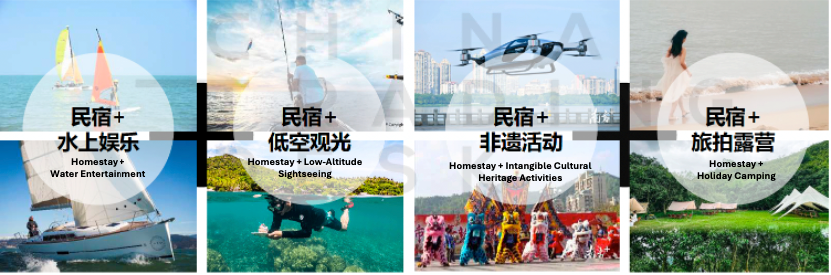
Another major shift is the move from simple lodging towards a broader “homestay+” model. Travellers now expect more than a room, and additional lifestyle, leisure and activity layers are becoming part of the value proposition. This makes homestays more experience-led and gives operators more ways to differentiate.
Source: 2025 National Homestay Industry Development Research Report
The report highlights growth in:
water-based recreation
low-altitude sightseeing
non-heritage activities
travel photography and camping combinations
music events, picnics, niche hiking and other social activities
Together, these shifts show that China’s homestay sector is becoming more brand-driven, more internationally aware and more experience-based. For brands and operators, the implication is clear: growth will depend less on room supply alone and more on whether a stay can combine identity, service and experience into something travellers genuinely want to choose.
Brand implications
China’s homestay market is no longer being shaped by recovery alone. It is being reshaped by more selective travellers, stronger digital influence, growing demand for local relevance, and a wider shift towards brand-led, experience-based stays. For outbound travel brands and accommodation operators, the opportunity remains strong, but winning now depends on offering clearer value, better storytelling and a stay experience that feels worth choosing.
What brands should do next:
focus on value clarity, not price alone
highlight local experience access, especially food, neighbourhood and culture
make booking and browsing feel simple and trustworthy
use short video, visual storytelling and review signals to strengthen conversion
build offers around experience + location + ease, not just room features
If your brand wants to turn these outbound travel and homestay trends into a sharper 2026 content, destination or growth strategy, get in touch with us.


Comments